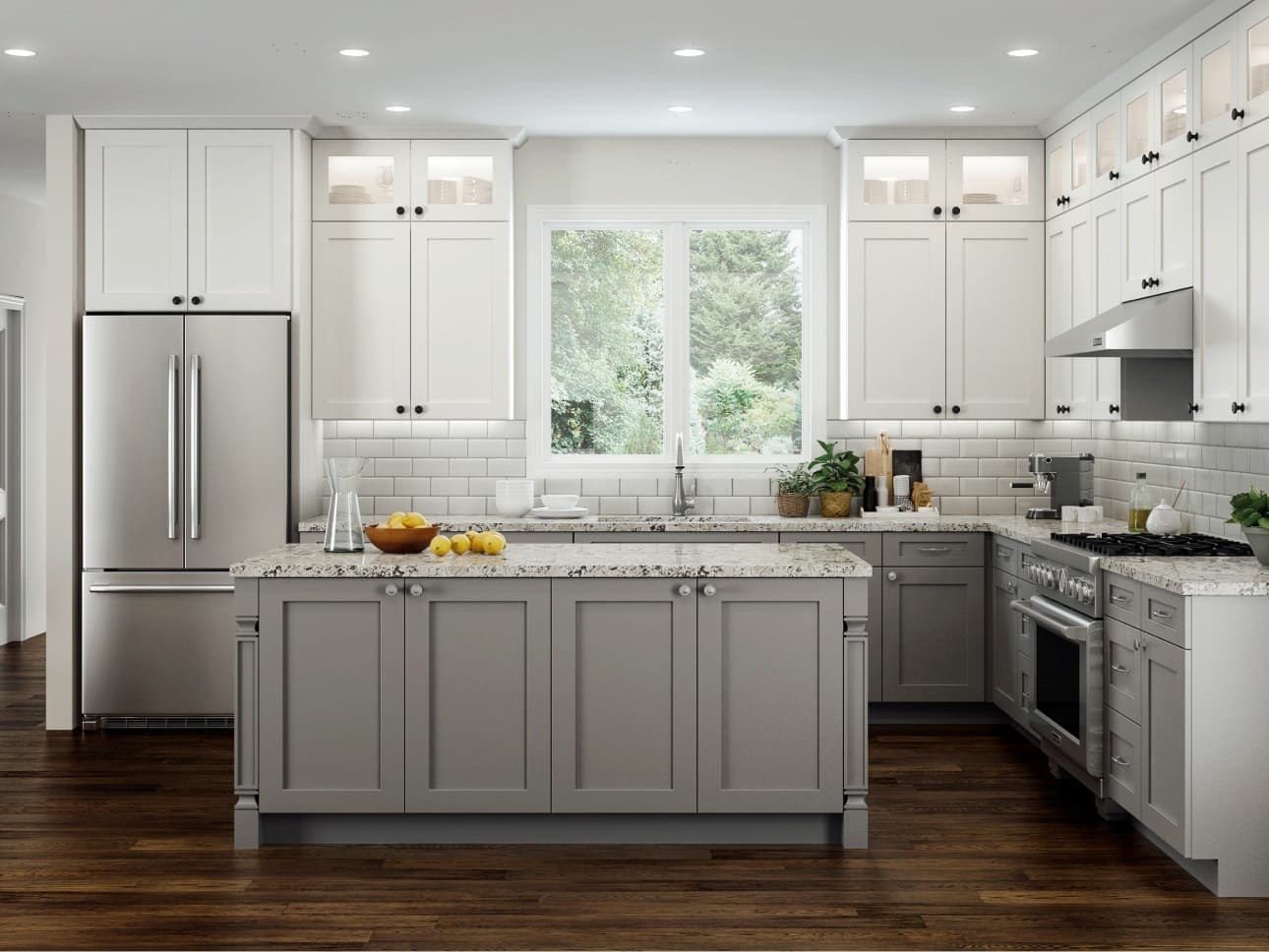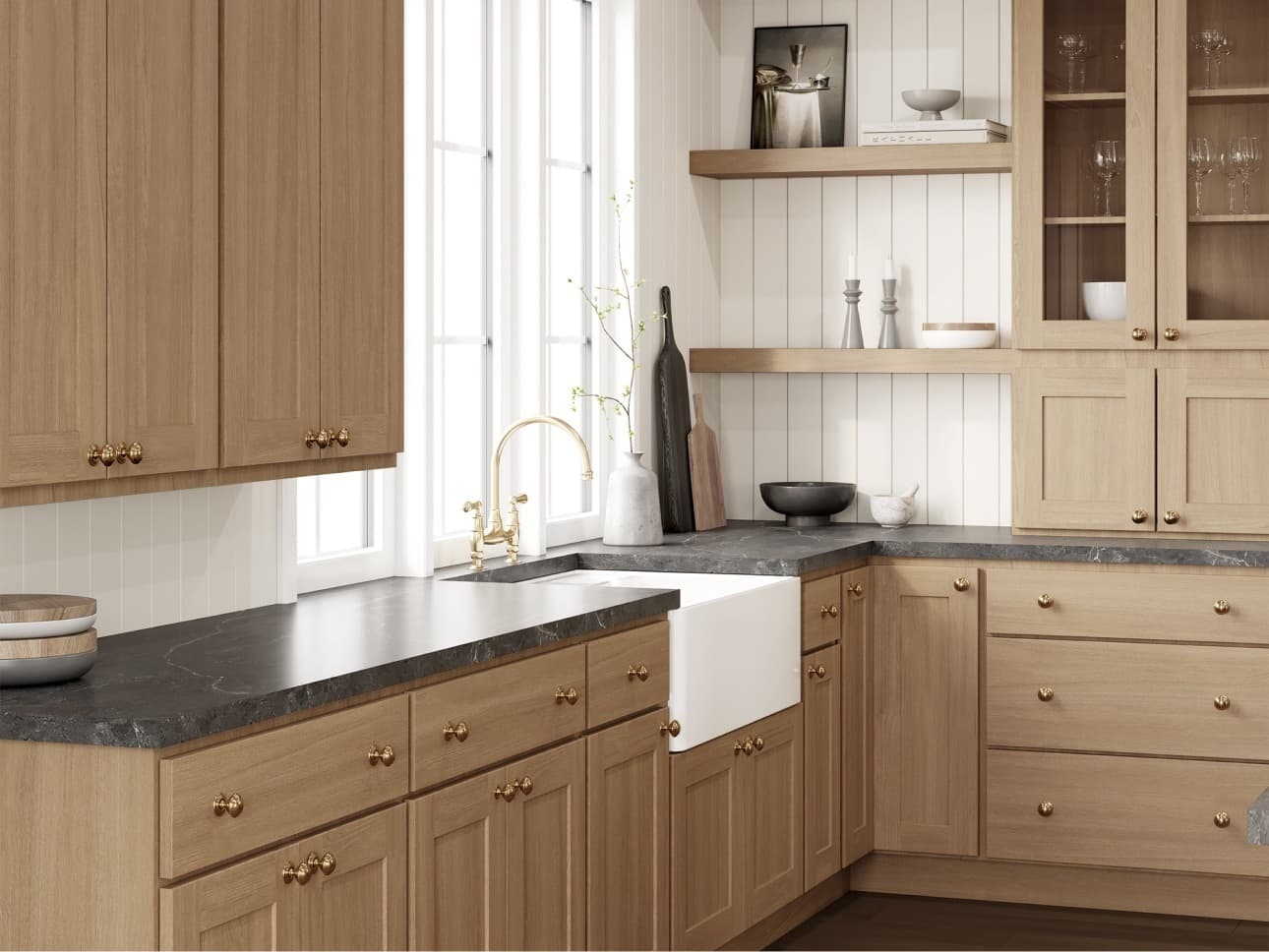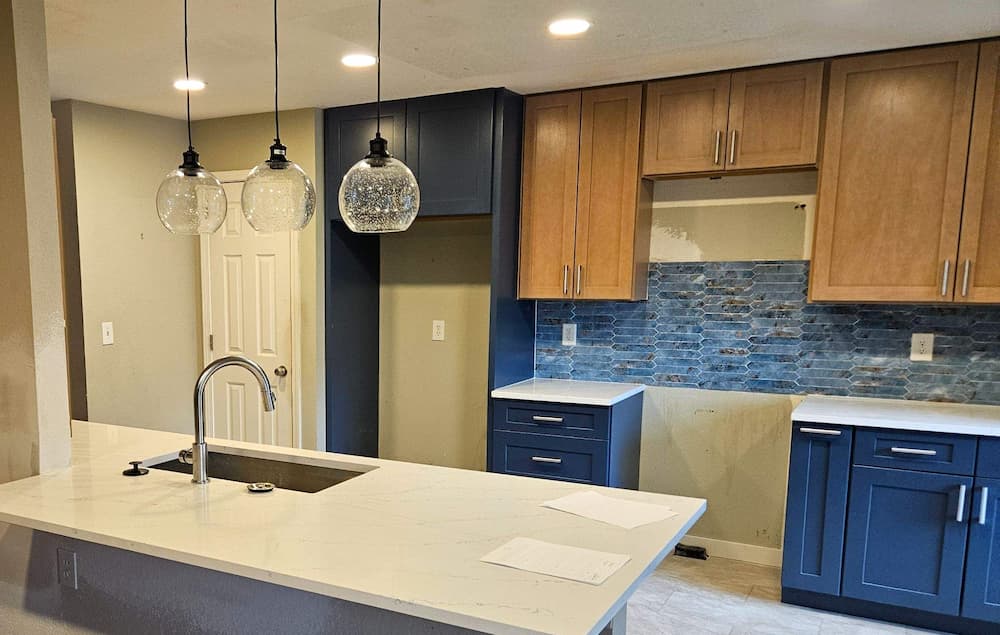
Planning a kitchen remodel isn’t just about choosing finishes. It’s about designing a space that works better for your daily life.
At MyBath Colorado, we’ve helped thousands of homeowners across Colorado turn outdated kitchens into spaces that are easier to use, easier to maintain, and more enjoyable to live in. And one thing we see over and over again:
The best remodels plan for how you live and move in the space before the design is finalized.
This guide walks you through the most important decisions to make early, so your remodel doesn’t just look good, but actually improves how your kitchen functions every day. This can make the difference between a kitchen remodel you like, and a kitchen remodel you love!
1. Start With Function: Fix What Actually Frustrates You
Many homeowners start a remodel with “pretty pictures” online. While it’s really fun to get excited about different design aspects, it’s important to get grounded with what actually matters in your space.
The best starting point is this question:
What’s not working in your kitchen right now?
Do the “Frustration Audit”
Before thinking about cabinets or colors, think about how you actually move when you’re cooking or what happens when you have guests. Spend a few days paying attention to how your kitchen is actually used.
Ask yourself:
- What is the #1 thing that drives you crazy?
- What slows you down when you cook?
- What feels awkward or inefficient?
Common issues we hear:
- The trash can is underfoot or hard to reach
- Spices or utensils are too far from the stove
- Small appliances are scattered around
- There’s not enough landing space for groceries near the fridge or sink
These are the kinds of problems that a well-planned remodel can completely fix.
Upgrade Storage: Door-to-Drawer Conversion
Traditional lower cabinets, especially deep ones, are one of the biggest missed opportunities in older kitchens.
Instead of simply replacing cabinets in the same layout, consider:
- Deep drawers instead of lower cabinets
Easier access, better visibility, and more usable storage - Pull-out organizers
No more reaching into dark, hard-to-access spaces - Lazy Susans or corner solutions
Turn wasted corners into functional storage
This alone can shift a kitchen remodel from cosmetic to transformational.
Think in “Zones,” Not Just Layout
Modern kitchens work best when they’re organized into zones based on how you actually use them.
Examples of high-impact zones:
- Coffee station (keeps morning routines streamlined)
- Prep zone (cutting, mixing, and cooking in one area)
- Landing zone (for groceries, bags, or deliveries)
- Charging station (hidden space for devices and cords)
Once you figure out what truly bothers you, the inspiration pictures will have more impact because you’ll notice things that can be solutions. Using this approach will make your kitchen feel intuitive and easy to work in.
2. Build Your Style Around the “Big 4” Materials: In This Order
One of the biggest challenges in a kitchen remodel is decision fatigue. There are endless options. Without a clear process, it becomes overwhelming fast.
We guide homeowners to focus on four core elements, in a specific order, to simplify decisions and create a cohesive look.
Step 1: Countertops (Your Anchor Material)
Countertops, especially stone, have the most variation and visual impact. The colors in stone can guide and accent your cabinet colors. Ask yourself: What colors and styles do you find yourself gravitating to? Cool or warm? Traditional or Modern?
Countertops often determine:
- The overall color palette
- The warmth or coolness of the space
- How other materials should complement the design
Start here first.
Step 2: Cabinets (Structure + Style)
Once countertops are selected, cabinets should support and enhance them.
Key decisions:
- Door style: Slab (modern), Shaker (classic), Slim Shaker (transitional)
- Color: Neutral, warm wood tones, or bold contrast
Cabinets define the structure of the kitchen, so this choice carries weight both visually and functionally.
Step 3: Flooring (The Flow Matters More Than You Think)
Flooring should do more than match. It should connect your kitchen to the rest of your home.
- Open layouts require flooring that flows between spaces
- Waterproof or highly durable options are often preferred
- Transitions between rooms should feel seamless
This is where many remodels either feel cohesive or disconnected.
Step 4: Backsplash (The Finishing Layer)
Think of the backsplash as the “jewelry” of the kitchen.
It’s where you can:
- Add personality
- Tie countertop and cabinet colors together
- Introduce texture or subtle contrast
It’s also one of the easiest elements to update later, so it doesn’t need to carry the entire design.
3. Lock in Appliances Early
One of the most common and costly mistakes in kitchen remodeling is delaying appliance decisions.
Appliances dictate cabinet dimensions. Not the other way around.
Why Appliance Selection Comes First
Every appliance has exact specifications:
- Width
- Height
- Depth
- Clearance requirements
Your designer needs these details to:
- Build precise cabinet openings
- Ensure proper spacing
- Avoid costly rework during installation
What to Have Ready
Before finalizing your design, you should have:
- Specific appliance models selected
- Manufacturer spec sheets available
- A clear plan for placement
Counter-Depth vs. Standard-Depth Refrigerators
This is a small decision with a big visual and functional impact.
Counter-depth refrigerator:
- Flush with cabinets
- Cleaner, built-in look
- Less storage capacity
Standard-depth refrigerator:
- More interior space
- Extends beyond cabinetry
- More noticeable in the layout
There’s no “right” answer, only what fits your priorities.
4. The “Living Without a Kitchen” Strategy
A kitchen remodel temporarily removes one of the most essential spaces in your home. Planning your meals ahead of time makes the installation process much less stressful.
Set Up a Temporary “Micro-Kitchen”
Before demolition begins, create a functional setup elsewhere in your home. The dining room or garage are popular options.
Things to include:
- Microwave
- Toaster oven, air fryer, or crockpot
- Coffee maker
- Small fridge (if possible)
This gives you a usable system instead of scrambling day to day.
Keep Meals Simple
During a remodel, complexity is the enemy. Focus on “Heat and Eat.” What are you going to eat that is easy to heat up?
Stock up on pre-made lasagnas, hearty soups, or pre-grilled proteins that only require a microwave or crockpot. Batch cooking and freezing dishes to pull out and reheat during your remodel is also a great strategy.
The Paper Policy
Stock up on compostable plates, bowls, and utensils. Limit reusable dishware to essentials. The goal is to avoid washing dishes in a bathroom sink! It’s a small change that makes a big difference during the process.
5. The “Morning Coffee Test” (Our Pro-Tip)
One of the most effective planning tools we recommend is also the simplest.
Tomorrow morning, pay close attention to your routine.
Notice:
- Which drawers you open
- Where you walk
- What feels inconvenient
- What you wish was different
Write it down.
These small details often lead to the biggest improvements in your remodel.
Common Kitchen Remodel Mistakes to Avoid
These are the kinds of mistakes we see when homeowners jump into design decisions before thinking through how they actually use their kitchen.
- Over-prioritizing looks over function
It’s easy to focus on finishes and forget how the space actually works. A beautiful kitchen that’s frustrating to use won’t feel like an upgrade. You’ll always with you done ‘that one thing’ differently. - Not thinking through small daily details
Things like where outlets go, how wide drawers should be, or where lighting is placed can have a big impact on how the kitchen feels day to day. - Assuming your current layout is the best option
Many homeowners default to the existing layout, even when it doesn’t work well. A remodel is your opportunity to rethink how the space functions.
Bringing It All Together: A Better Remodel Starts With Better Decisions
A kitchen remodel isn’t just about replacing what’s already there.
It’s an opportunity to:
- Fix what frustrates you
- Improve how your space functions
- Create a layout that actually supports your life
The Colorado homeowners who get the most out of their remodel are the ones who take the time to think through these decisions early.
Ready to Plan Your Kitchen Remodel?
At MyBath Colorado, we guide you through this entire process, from early planning decisions to final installation, so you’re not left guessing.
One of the biggest questions we see people asking online is how to do their kitchen design – do you need an architect, a builder, a designer, etc. One option is to work with a MyBath Colorado professional kitchen designer. Our designers are true pros, and we offer a free, in-home consultation (not a sales call) to help you figure out what you actually want for your space.
We’ll help you:
- Evaluate your current space
- Design a layout that works for your lifestyle
- Select materials that fit your home and goals
- Plan a remodel that feels manageable from start to finish
You can also explore more ideas and real kitchen remodel project examples on our site to see what’s possible in Colorado homes.
Schedule your free in-home kitchen design consultation to get started.
Frequently Asked Questions About How to Plan a Kitchen Remodel
Not always, but working with a designer can help you avoid costly mistakes, especially when it comes to layout, storage, and appliance planning. At MyBath Colorado, our designers guide you through both function and style so your kitchen works as well as it looks.
Appliances should be selected before your design is finalized. Cabinet dimensions and layout depend on the exact size and specifications of your appliances, so waiting too long can lead to redesigns or delays.
Function comes first. Understanding how you use your space, and what currently frustrates you, leads to better decisions about layout, storage, and flow.
Start with your countertops and appliances. Countertops help define your overall style, while appliances determine the layout and cabinet dimensions.